
Top Stories
By Staff Reporter
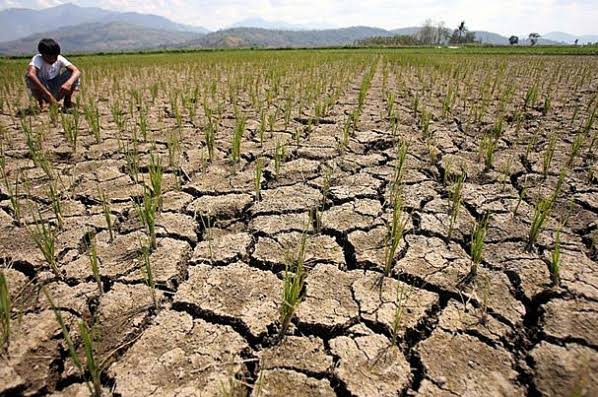
Zimbabwe’s Cabinet has approved a six-pillar drought mitigation plan as the country prepares for a potentially drier-than-normal 2026/27 agricultural season.
The plan includes measures to strengthen the country’s strategic grain reserves, accelerate climate-smart agricultural production, improve agricultural financing, protect livestock, facilitate grain imports and strengthen early-warning and coordination systems.
The decision follows the recently issued 2026/27 summer season rainfall outlook, which is predicting below-normal rainfall across Zimbabwe.
Information, Publicity and Broadcasting Services Minister Dr Zhemu Soda, speaking after a Cabinet meeting, said the plan had been presented by Agriculture, Mechanisation and Water Resources Development Minister Dr Anxious Jongwe Masuka.
According to Cabinet, the six pillars are:
Enhanced Strategic Grain Reserve
Accelerated Climate-Smart Production
Integrated Financing Architecture
Livestock Drought Mitigation
Enhanced Imports
Coordination, Early-Warning Systems and Capacity-Building Support.
Minister Soda said the country was facing two major pressures the expected weather conditions associated with a Super El Niño and international pressures affecting the cost and availability of fuel and fertiliser.
“The 2026-2027 season presents a critical stress test of Zimbabwe’s agricultural resilience and forward planning,” Soda said.
The Government expects national cereal production for the 2026/27 season to reach approximately 1.6 million tonnes, while the strategic grain reserve target has been set at 600,000 tonnes.
Cabinet estimates the country’s cereal deficit could range between 266,881 tonnes and 541,881 tonnes, depending on production outcomes.
To address possible shortages, the private sector will be allowed to continue importing grain for commercial requirements, including food and feed, while the threshold for household imports of basic commodities will be reviewed upwards.
Agriculture Minister Masuka said strengthening grain reserves and accelerating climate-smart agricultural practices would be among the most important interventions.
He said Government would focus on conservation agriculture under Pfumvudza/Intwasa, with a target of three million beneficiaries each establishing three plots.
Masuka also raised concerns about soil degradation in communal farming areas and said Government planned to provide liquid lime to beneficiaries under the Presidential Input Scheme to address soil acidity and improve soil conditions.
The drought response builds on measures Government had already announced earlier in the year. In June, authorities cited an 80 percent probability of a Super El Niño-induced drought when announcing the 2026/27 summer production plan.
The Government’s response comes after the severe 2024/25 drought, which officials have described as Zimbabwe’s worst drought since 1980.
The latest plan therefore seeks to combine food-stock management with measures designed to increase farmers’ resilience before the full effects of the coming rainfall season become apparent.
The plan includes measures to strengthen the country’s strategic grain reserves, accelerate climate-smart agricultural production, improve agricultural financing, protect livestock, facilitate grain imports and strengthen early-warning and coordination systems.
The decision follows the recently issued 2026/27 summer season rainfall outlook, which is predicting below-normal rainfall across Zimbabwe.
Information, Publicity and Broadcasting Services Minister Dr Zhemu Soda, speaking after a Cabinet meeting, said the plan had been presented by Agriculture, Mechanisation and Water Resources Development Minister Dr Anxious Jongwe Masuka.
According to Cabinet, the six pillars are:
Enhanced Strategic Grain Reserve
Accelerated Climate-Smart Production
Integrated Financing Architecture
Livestock Drought Mitigation
Enhanced Imports
Coordination, Early-Warning Systems and Capacity-Building Support.
Minister Soda said the country was facing two major pressures the expected weather conditions associated with a Super El Niño and international pressures affecting the cost and availability of fuel and fertiliser.
“The 2026-2027 season presents a critical stress test of Zimbabwe’s agricultural resilience and forward planning,” Soda said.
The Government expects national cereal production for the 2026/27 season to reach approximately 1.6 million tonnes, while the strategic grain reserve target has been set at 600,000 tonnes.
Cabinet estimates the country’s cereal deficit could range between 266,881 tonnes and 541,881 tonnes, depending on production outcomes.
To address possible shortages, the private sector will be allowed to continue importing grain for commercial requirements, including food and feed, while the threshold for household imports of basic commodities will be reviewed upwards.
Agriculture Minister Masuka said strengthening grain reserves and accelerating climate-smart agricultural practices would be among the most important interventions.
He said Government would focus on conservation agriculture under Pfumvudza/Intwasa, with a target of three million beneficiaries each establishing three plots.
Masuka also raised concerns about soil degradation in communal farming areas and said Government planned to provide liquid lime to beneficiaries under the Presidential Input Scheme to address soil acidity and improve soil conditions.
The drought response builds on measures Government had already announced earlier in the year. In June, authorities cited an 80 percent probability of a Super El Niño-induced drought when announcing the 2026/27 summer production plan.
The Government’s response comes after the severe 2024/25 drought, which officials have described as Zimbabwe’s worst drought since 1980.
The latest plan therefore seeks to combine food-stock management with measures designed to increase farmers’ resilience before the full effects of the coming rainfall season become apparent.
Published
September 17, 2026 at 9:30 AM